Digital tools are increasingly shaping how businesses start, operate, and grow. Yet in many parts of West Africa, early-stage entrepreneurs (particularly women, youth, and those working informally) face persistent barriers to accessing and using these tools. Limited digital infrastructure, affordability challenges, and a lack of tailored support often make it difficult for them to fully participate in the digital economy.
At the same time, Entrepreneur Support Organizations (ESOs) are stepping in to bridge this gap. As trusted, first-line support actors, ESOs are finding ways to integrate digital tools into their programs to reach more entrepreneurs, deliver training and mentorship remotely, and foster stronger entrepreneurial communities. This shift offers new opportunities but also raises important questions about accessibility, usability, and inclusion.
This webinar featured speakers from Benin and Senegal who are leading digital transformation efforts within their organizations. They shared their approaches to using digital tools in low-connectivity contexts, reflected on challenges and successes, and discussed what it takes to strengthen ESO support models in a rapidly evolving digital environment:
- Capucine Gonnord, Enabel, Lead Expert in Capacity and Network Development
- Babacar Birane, Concree, CEO (Senegal)
- Francis Bokossa, Blolab, Incubation and Support Project Manager (Benin)
Key Themes and Takeaways
The panelists discussed how digital tools are being used to strengthen entrepreneurial support across West Africa, specifically discussing what makes digital tools effective in low-resource settings, the importance of aligning tools with strategy and community needs, and the potential of AI and mobile innovations to reshape how ESOs operate. The insights below capture key takeaways from their experiences.
Digital tools are most effective when rooted in strategy, not technology
A recurring message was that digital transformation starts with strategy, not technology. Tools are only as effective as the support models they serve. Before adopting new systems, ESOs need to revisit their goals, define clear processes, and identify friction points where digital solutions can genuinely add value. A WhatsApp group or simple form, if well-integrated, can be more impactful than an underused high-tech platform. Many challenges stem not from tool availability but from limited organizational readiness, lack of staff buy-in, or unclear implementation strategies.
Don’t digitize what doesn’t work
Panelists cautioned against using digital tools to replicate outdated or ineffective support approaches. Without strong underlying frameworks for coaching, monitoring, or engagement, digitization can simply entrench inefficiencies. In some cases, tools introduced for donor reporting or optics end up being underused or abandoned. ESOs must first strengthen the substance of their work before layering on digital systems.
Digital inclusion requires contextual, human-centered design
True digital inclusion goes beyond infrastructure, it’s about usability, access, and community. Tools must be designed or adapted for low-connectivity contexts, varying literacy levels, and informal learning styles. The Blobus model designed by Blolab in Benin exemplifies this: a solar-powered mobile hub offering internet access, training, and digital fabrication in underserved areas. Inclusion also means involving community members as active facilitators, such as digital “animators” who maintain engagement and foster peer learning.
Community is the engine behind digital engagement
Digital tools only succeed when embedded in active communities. One example shared was a women’s entrepreneurship group in Togo that, despite lacking a formal platform, drove high engagement through WhatsApp-based weekly challenges, shared learning, and peer support. These rituals and relationships (not the tool itself) are what sustain meaningful participation.
AI has promise, but must be grounded in ethics and practice
AI offers clear opportunities for ESOs: reducing administrative burden, helping coaches generate tailored content, and turning raw data into actionable insights. But speakers warned that AI is not a shortcut. Its use must be guided by local data, clear methodologies, and safeguards against bias. Capucine Gonnord from Enabel advised that digital tools using AI be used for specific steps within a process (not the entire process) and that its outputs be systematically checked against field data, personal experience, and technical expertise before moving forward. Concree introduced the AI-enhanced Lezgo Canvas as one example of how to integrate AI into support models in a way that is both practical and responsible.
Digital tools can open new pathways to sustainability
Some ESOs are beginning to explore how digital tools, including AI, can support more sustainable funding models. Options like freemium services, data-driven insights, or customizable learning content offer new ways to meet entrepreneur needs while generating revenue beyond traditional donor support. But these tools are not a replacement for human expertise. The panelists discussed that the digital tools can reduce time spent on repetitive tasks (like formatting business plans) so staff can focus on more meaningful, high-value work such as individual mentoring and tailored support.
Additional Resources
On Digital Transformation for ESOs and Ecosystem Actors:
Aspen Network of Development Entrepreneurs – Digitalization of Entrepreneur Support Organizations: Case studies, tools, and research on how ESOs are integrating digital into their models.
GSMA – Mobile Internet Skills Training Toolkit: Practical digital literacy training resources adaptable for low-connectivity settings.
On AI in Entrepreneurial Support and Nonprofit Operations:
AI4D Africa: Artificial Intelligence for Development in Africa: Research and case studies focused on locally relevant AI use in Sub-Saharan Africa.
Africa-Specific Digital Inclusion Initiatives:
Smart Africa Alliance: Policy, research, and partnerships supporting digital transformation across the continent.
World Bank – Digital Economy for Africa : Regional strategies and digital infrastructure investments across West African countries.
KENYA - Biashara Pawa Awards celebrate women and youth entrepreneurs transforming underrepresented sectors
 Celebrate entrepreneurial excellence, community impact, innovation, and leadership After months of dialogue, mentorship, networking, and learning, the Biashara Pawa Awards provided an opportunity to recognise the women and youth entrepreneurs who are redefining what is possible in sectors wher...
Demo Days 2026: from capacity building to market readiness for green industries in Africa
 From strengthening ESOs to preparing African green businesses for regional expansion Across Africa, green startups and SMEs are developing innovative solutions in renewable energy, sustainable agriculture, waste management, water, clean technologies and other emerging green sectors.
Benin-Togo Exchange Visit: Strengthening Regional Entrepreneurship Cooperation
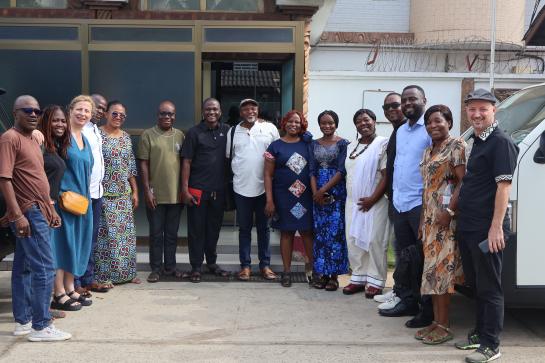 From May 18 to 22, 2026, the IYBA-SEED Benin and IYBA-SEED Togo teams invited a delegation of actors from Benin's entrepreneurial ecosystem to take part in an exchange visit between Kara and Lomé, Togo.
BENIN - Local Public-Private Dialogue reaches a new milestone!
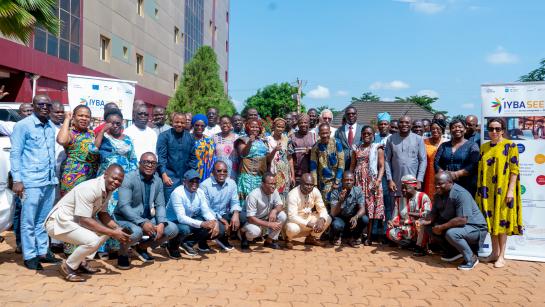 Structured and inclusive dialogue between local authorities and the private sector is an essential driver of territorial economic development. This belief lies at the heart of our IYBA SEED project.